
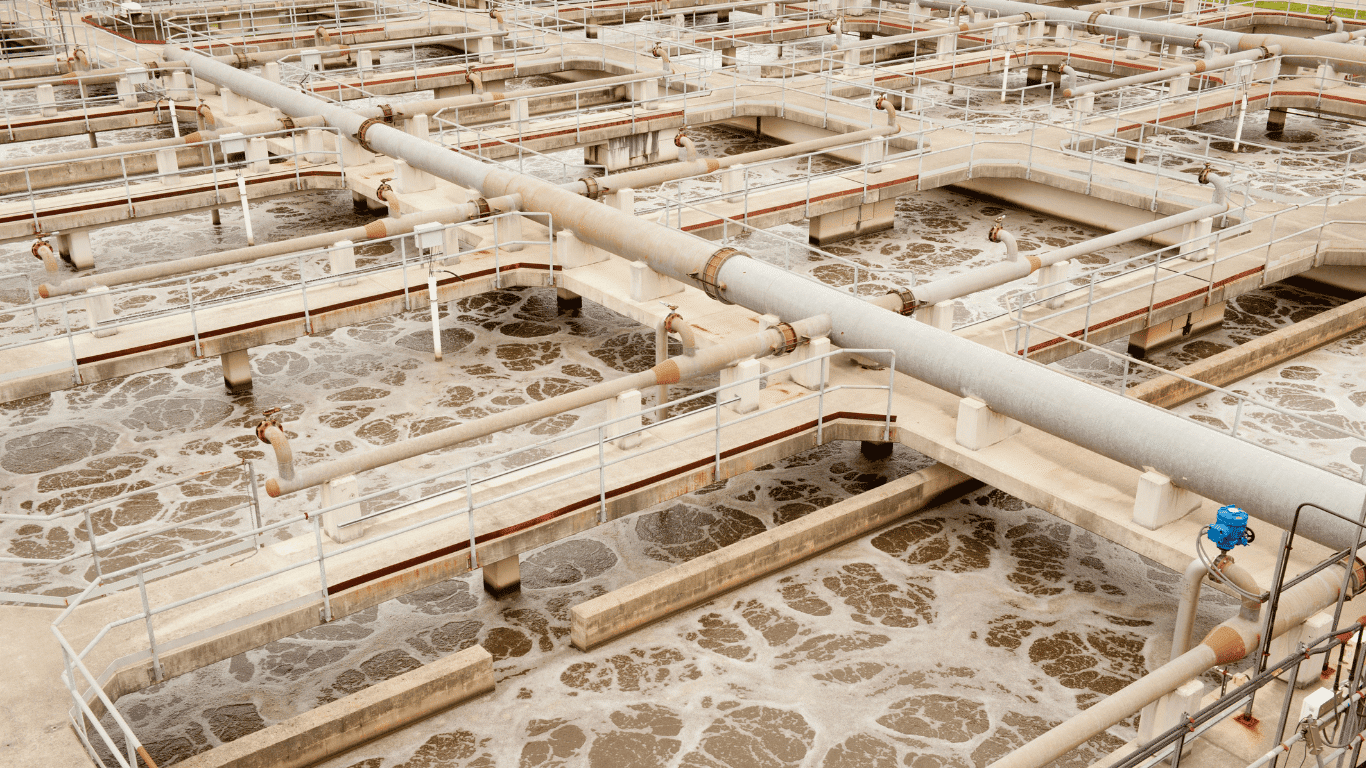
Industrial wastewater is something every facility generates, but few teams have the time to truly step back and consider how complex it’s become. As manufacturing processes evolve and production demands increase, so does the variety of contaminants entering a plant’s drains: everything from oils and suspended solids to stubborn organic materials and trace heavy metals.
Regulations are also tightening, and most industrial teams now operate under far more scrutiny than they did even a decade ago. That pressure makes wastewater treatment feel less like a utility task and more like a strategic responsibility. It’s why the design and operation of industrial wastewater treatment systems has become central to protecting uptime, avoiding compliance surprises, and maintaining trust with surrounding communities.
In this article, we’ll look at why wastewater matters, how treatment fits into day-to-day operations, and what today’s facility leaders should be thinking about as they plan for the future.
What Industrial Wastewater Treatment Systems Do
Industrial wastewater is fundamentally different from municipal waste streams. Instead of primarily domestic sewage, facilities deal with a wide range of contaminants: suspended solids, organic materials, oils, chemicals, heavy metals, and process-specific byproducts. Because every plant operates differently, no two waste streams look the same. That’s why industrial wastewater treatment systems are designed to target the unique characteristics of each operation, using combinations of chemical treatment, biological treatment, physical separation, and polishing steps to reliably remove contaminants before discharge or reuse.
A well-designed wastewater treatment system does four things: cleans water, protects equipment, stabilizes operations, and ensures every stage of the treatment process meets tightening environmental regulations. Unlike municipal systems, which are built for predictable loads, industrial facilities must control highly variable flow rates, changing production demands, and sometimes hazardous materials. Specialized systems give facility teams the control and predictability they need to stay compliant, avoid unplanned downtime, and maintain safe discharge levels.
At its core, industrial treatment is about understanding the waste stream and applying the right tools to manage it. When teams have clarity on what’s in their water and the performance of each treatment stage, they can keep their operations efficient, responsible, and ready for long-term growth.
How These Systems Work: Primary, Secondary, and Tertiary Treatment
Industrial facilities use a staged approach to treat wastewater, with each step targeting specific contaminants and preparing the water for the next phase. While every system is customized to the facility’s wastewater streams, most follow a similar structure: remove solids first, break down organics next, and finish with advanced polishing. Operators typically monitor loading rates, clarity, total suspended solids, and changes in flow or chemistry that could disrupt performance.
Here’s how each stage works in practice:
Primary Treatment: Removing Suspended Solids and Early Load
- Primary treatment focuses on physically separating large particles and suspended solids before they cause downstream issues.
- Clarifiers, screens, and settling tanks help reduce debris and grit, lowering biochemical oxygen demand and making it easier for later processes to work efficiently.
- Facilities may add chemical precipitation to remove metals or emulsified materials that won’t settle on their own.
- Operators often watch for sludge buildup, flow surges, or unusual solids concentrations; any of which can affect settling time and tank performance.
Secondary Treatment: Breaking Down Organic Compounds
- This stage targets the removal of organic compounds using biological processes like activated sludge, fixed-film reactors, or sequencing batch reactors.
- Microorganisms convert dissolved organics into stable biomass under controlled conditions, with dissolved oxygen carefully adjusted to keep the biology healthy.
- Operators monitor oxygen levels, nutrient balance, and microbial activity, since small shifts can impact treatment efficiency or cause foaming and upset conditions.
- Secondary treatment significantly reduces BOD and prepares water for advanced polishing.
Tertiary Treatment: Polishing and High-Quality Output
- Tertiary systems provide the final refinement, targeting fine particles, color, remaining nutrients, and dissolved contaminants that earlier stages can’t remove.
- Common technologies include membrane filtration, sand filter systems, and advanced units like reverse osmosis for high-purity needs or internal reuse.
- This stage ensures the water meets strict discharge or reuse requirements, especially for facilities facing sensitive watershed regulations or zero-liquid-discharge goals.
- Operators typically track pressure differentials, membrane fouling, and clarity to maintain consistent performance and avoid equipment strain.
Treatment Technologies Used in Modern Facilities
Today’s industrial wastewater treatment technologies give facilities more control, consistency, and adaptability than ever. Most plants use a blend of physical, chemical, biological, and advanced processes, each selected according to their waste stream, regulatory requirements, and performance goals. Instead of depending on one method, modern systems layer multiple technologies to achieve reliable, predictable results.
1. Physical Treatment Systems
Physical systems form the foundation of treatment by removing bulk solids early in the process. Clarifiers settle out heavier particles, dissolved air flotation captures oils and fine solids, and sand filters offer a dependable polishing step to protect downstream equipment.
2. Chemical Treatment Systems
Chemical systems address contaminants that physical processes can’t fully remove. Coagulation and precipitation help convert dissolved ions and metals into removable solids, while oxidation technologies break down stubborn organic compounds and assist with odor control. These chemical reactions let operators fine-tune treatment based on real-time feed water conditions.
At this stage, many facilities begin comparing different treatment configurations and evaluating what combination of systems will work best for their operations. ProChem offers a detailed look at available system designs, which you can explore here.
3. Biological Treatment Systems
Biological processes are essential when wastewater contains biodegradable organic matter. Aeration provides oxygen to microorganisms that break down organics, while activated sludge and MBR systems offer tighter process control and high-quality effluent. These systems help operators maintain stability even when production flows fluctuate.
4. Advanced Treatment Systems
For facilities with high-purity or strict discharge requirements, advanced technologies deliver the final refinement. Membrane filtration, reverse osmosis, and ion exchange remove dissolved ions, color, and residual impurities. These systems often act as the final polishing step, and in some cases enable resource recovery by capturing valuable materials from the waste stream.
Used together, these technologies give industrial facilities the precision, flexibility, and compliance assurance needed for modern operations.
Industry Examples: How Different Facilities Manage Wastewater
Wastewater challenges look very different from one industry to another. Each sector generates its own mix of contaminants based on its industrial process, raw materials, and manufacturing processes. That means treatment systems aren’t plug-and-play. They’re built around the realities of what operators handle day to day. In practice, the right approach depends on knowing your waste stream, understanding how it shifts with production, and choosing technologies that can keep up.
- Power Generation. Power plants often deal with high-volume flows containing heat, trace metals, and chemical residues from cooling towers or boiler operations. Suspended solids, silica, and heavy metals are common, and treatment must stabilize these contaminants while protecting equipment. Many facilities blend clarification, chemical precipitation, and advanced filtration to produce consistent, high-quality effluent, especially when water is recycled back into boilers.
- Food & Beverage / Food Processing. Food processing facilities typically handle biodegradable organic compounds, fats, oils, grease (FOG), and nutrient-rich waste. These loads can change quickly depending on the production cycle. Biological treatment, like aeration or MBR systems, is often the backbone, paired with screening and dissolved air flotation for early solids removal. Operators usually watch for swings in BOD, foaming, and odors, since these issues escalate fast in biological systems.
- Automotive Manufacturing. Automotive operations create wastewater with metal particulates, oils, coolants, paints, and surfactants. The mix can be complex because each step: machining, pretreatment, coating, adds something different to the waste stream. A combination of chemical treatment, oil removal, and membrane systems helps manage these variations. Consistency is key, especially when handling emulsified oils or paint-related residues.
- Life Sciences & Electronics. These industries require extreme precision. Wastewater often contains solvents, acids, ultra-fine particulates, and occasionally toxic compounds from cleaning or etching processes. High-end membrane systems, ion exchange, and polishing steps are common, especially when facilities must meet ultrapure discharge limits or operate within a zero liquid discharge strategy. Small deviations in feed water quality can disrupt production, so operators monitor stability closely.
- Metal Finishing. Metal finishing wastewater commonly includes heavy metals, cyanides, acids, and plating chemicals. Treatment relies heavily on chemical precipitation, pH adjustment, and filtration to safely remove metals and detoxify the stream. Sludge handling becomes a major operational priority due to the concentration of metals captured during treatment.
Across these sectors, the pattern is the same: wastewater management works best when treatment matches the process, not the other way around. Teams wanting to explore more targeted approaches often benefit from deeper dives into specialty topics like ProChem’s guide on chemical treatment of wastewater, available here.
Key Equipment That Makes a Treatment System Work
Every treatment system depends on equipment that keeps water moving, contaminants separated, and treatment stages stable. Even when facilities use different treatment approaches, the core technologies tend to look familiar: clarifiers, flotation units, filters, membranes, sludge tools, and monitoring instruments.
What matters most is how operators use them: watching for changes, reacting early, and keeping each unit performing as designed.
- Clarifiers: Clarifiers help separate solids from water by settling them into a stable sludge blanket. In an industrial wastewater treatment plant, clarifiers reduce suspended solids and take stress off downstream equipment. Operators typically check for blanket height, clarity of the overflow, and signs of short-circuiting. Early warning signs include cloudy effluent, rising sludge levels, or uneven flow patterns; signals that solids loading or chemistry may need adjustment.
- Dissolved Air Flotation (DAF) Units: DAF systems lift lighter materials, like oils, fats, and finer particles, to the surface using microbubbles. They’re essential for industries with high FOG or emulsified contaminants. Operators watch for changes in bubble distribution, skimmer performance, and chemical dosing. Foam buildup, inconsistent float layers, or excessive chemical consumption often point to upstream changes or shifts in feed water quality.
- Filtration Systems: Filters provide a reliable polishing step that protects downstream processes. Sand filters catch remaining particulates, while multimedia configurations help manage variable wastewater streams. Operators track pressure differential, backwash cycles, and effluent turbidity. A sudden rise in pressure or reduced flow is a strong indicator that the bed is loading unevenly or capturing more solids than expected.
- Membrane Systems: Microfiltration, ultrafiltration, nanofiltration, and reverse osmosis deliver high-quality effluent and are common in advanced or on-site treatment applications. Operators pay close attention to pressure, flow rates, and cleaning frequency. Membrane fouling, scaling, or rapid performance decline typically signals imbalanced pretreatment or a change in chemical loads.
- Sludge Management Tools: Centrifuges, dewatering presses, and storage tanks handle waste sludge generated throughout treatment. Efficient sludge handling lowers disposal costs and keeps treatment stable. Operators check solids concentration, equipment vibration, and cake dryness. Little changes, like wetter cake or rising polymer use, usually indicate upstream treatment inefficiencies.
- Monitoring & Control Instruments: Sensors track pH, flow, turbidity, and dissolved oxygen, giving operators the insight needed to make quick decisions. These tools often provide the earliest alerts when something shifts. Sudden DO drops, pH swings, or inconsistent readings can signal equipment imbalance, biological stress, or unexpected contaminants.
Steps to Choosing or Improving a Treatment System
Choosing or upgrading a treatment system doesn’t have to be overwhelming, but it does require a clear understanding of your facility’s specific needs. The goal is to select a system that handles your wastewater efficiently, supports reuse, reduces environmental impact, and remains cost effective over the long term. Based on years of working with industrial facilities, here’s a practical approach operators and engineers can follow:
- Assess Your Wastewater Streams. Start by gathering detailed data on contaminant types, concentrations of suspended solids, organic materials, heavy metals, flow rates, and variability throughout production. Knowing exactly what your wastewater contains is the first step in identifying the right treatment system.
- Evaluate Current System Performance. Look at your current setup: Are discharge limits being met consistently? Are there frequent maintenance issues, foaming, or irregular effluent quality? These are often the earliest signs that your system may need adjustments or upgrades.
- Pilot Testing and Process Trials. Testing new technologies or process modifications under controlled conditions can save time and money. Pilot studies reveal unexpected interactions, optimize chemical dosing, and validate the treatment approach before full-scale implementation.
- Consider Future Goals. Factor in water reuse, energy efficiency, compliance with evolving regulations, and potential for resource recovery. A flexible system that can adapt to changing industrial processes will provide the best long-term value.
- Monitor and Adjust Continuously. Even after installation, consistent monitoring and periodic evaluation ensure the system maintains peak performance. Watch for fluctuations in effluent quality, dissolved oxygen, or other key indicators that point to early signs of underperformance.
If your team needs guidance on identifying the best solution, optimizing treatment steps, or improving overall efficiency, ProChem is ready to help. Our experts can walk you through every stage, from evaluation to implementation, ensuring your wastewater treatment system works safely and effectively for your facility.
Frequently Asked Questions (FAQs)
What is chemical oxidation in industrial wastewater treatment?
Chemical oxidation is a process that breaks down persistent organic compounds and other contaminants that resist conventional biological treatment. It often uses oxidizing agents like ozone, hydrogen peroxide, or advanced chemical reactions to reduce pollutant load. This step can improve water quality and make downstream treatment more effective, particularly for wastewater with high concentrations of toxic or hard-to-treat substances.
How does a trickling filter work?
A trickling filter is a biological treatment system where wastewater flows over a bed of media, such as rocks or plastic, while naturally occurring microorganisms degrade organic materials. The biological processes in the filter reduce biochemical oxygen demand and help clarify water before secondary or tertiary treatment. Operators monitor flow distribution and biofilm health to ensure consistent performance.
What is a sludge blanket and why is it important?
A sludge blanket forms in clarifiers and sedimentation tanks as solids settle from wastewater. Maintaining the correct blanket height and density is critical because it ensures effective separation of waste sludge from treated water. Deviations can indicate overloading, insufficient chemical treatment, or biological imbalance, affecting overall system efficiency.
Can wastewater treatment generate valuable products?
Yes, many industrial facilities can recover valuable products from wastewater streams. Metals recovered from electroplating effluent, biogas produced from food processing sludge, and treated water for reuse in cooling or production processes all represent potential revenue or cost-saving opportunities. This aligns environmental compliance with resource efficiency.
How does wastewater treatment impact public health?
Proper treatment protects public health by removing pathogens, toxic chemicals, and other contaminants that could contaminate water bodies. Maintaining stable water quality ensures that discharged or reused water does not pose risks to communities, employees, or ecosystems. Monitoring and controlling treatment processes is key to mitigating these risks.
