
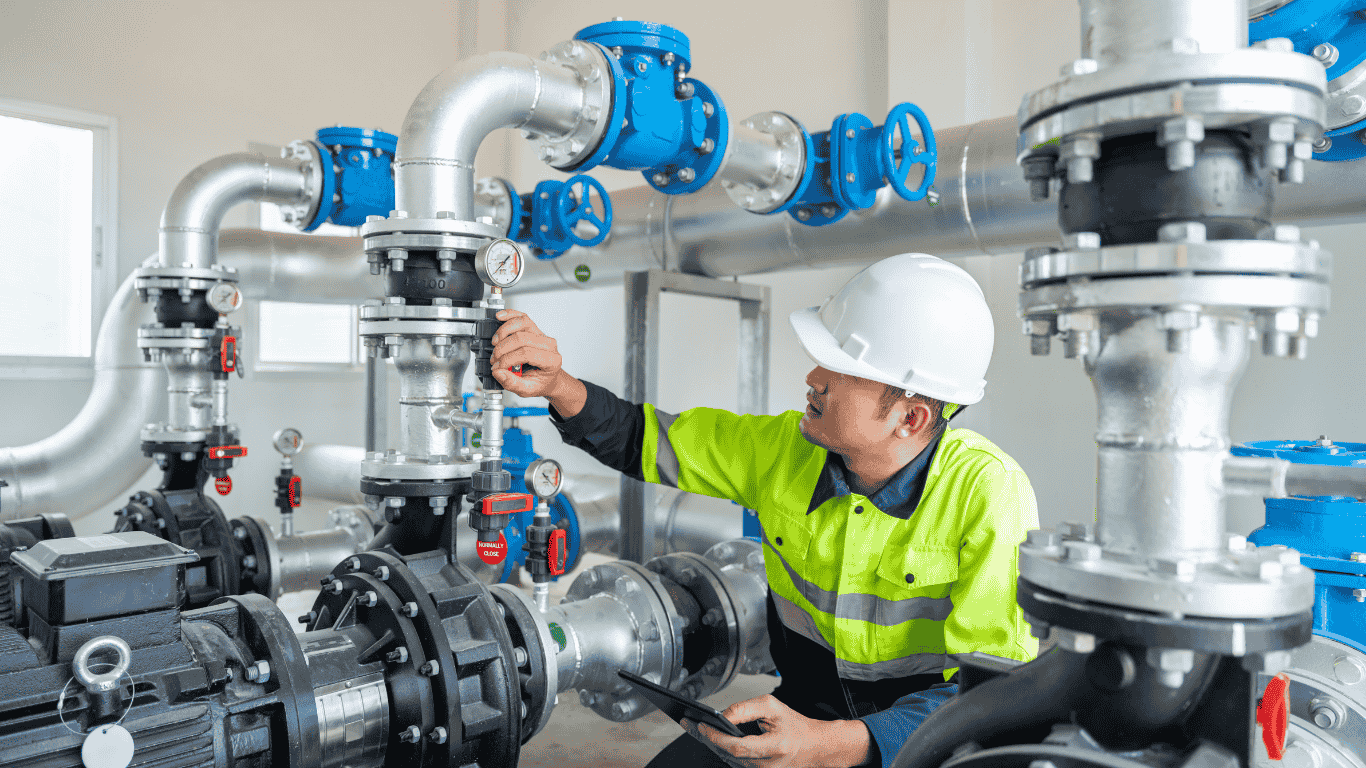
Water engineering is the backbone of how industrial facilities manage and use one of our most vital resources. It combines engineering principles with a deep understanding of water resources to ensure systems are safe, reliable, and efficient. From designing treatment processes to maintaining water supply networks, water engineering touches nearly every part of a facility’s operations. For professionals in this field, it’s about making smart, practical decisions that keep water flowing safely for human use and supporting the broader goals of sustainability and operational excellence.
What Is Water Engineering?
Water engineering is the field focused on planning, designing, and maintaining systems that manage water safely and efficiently. Professionals in this area, including hydraulic engineers, work on a range of projects from pumping stations to large-scale water supply networks. Their responsibilities cover everything from building hydraulic structures and monitoring flow to ensuring consistent water quality and reliable distribution. Water engineers collaborate closely with contractors, government agencies, and facility teams to develop systems that meet both operational and community needs. Effective water engineering combines technical skill, practical problem-solving, and an understanding of the science behind water movement and treatment.
For more on the types of systems involved, see our overview of water treatment systems.
Core Areas of Water Engineering
Water engineering spans several critical areas that keep industrial facilities and communities running smoothly. Key focuses include:
- Water Resource Management: Ensuring the sustainable use and distribution of water across systems.
- Water Treatment: Designing and operating systems that provide clean water for human use and industrial processes. Learn more about water treatment systems and technologies.
- Wastewater Systems: Managing and treating wastewater to protect both the environment and facility operations.
- Flood Control: Developing strategies and infrastructure to minimize flooding risks in industrial and urban areas.
- Civil Engineering Involvement: Integrating structural and hydraulic design to support durable, efficient water management solutions.
Effective water management combines these areas to maintain reliable, safe, and sustainable water systems.
The Role of Water Resource Engineers
Water resource engineers play a vital role in keeping water systems safe, reliable, and sustainable. Their daily work involves monitoring water quality, overseeing distribution networks, and maintaining infrastructure that serves both industrial facilities and communities. They often coordinate with government agencies, water utilities, and contractors to address challenges like supply shortages, system upgrades, and emergency responses.
Beyond technical tasks, water resource engineers contribute to planning projects that balance operational efficiency with environmental responsibility. Their expertise ensures that water moves where it’s needed, remains clean, and supports human use while protecting natural resources for the long term.
Education and Career Pathways in Water Engineering
A career in water engineering typically starts with a bachelor’s degree in engineering or a related field, with many professionals pursuing a master’s degree to specialize further. Students benefit from programs that combine classroom learning with hands-on experience in water systems, treatment processes, and hydraulic design. Developing technical skills, leadership, and problem-solving abilities is key to advancing in this field. Water engineers can pursue careers in industrial facilities, consulting, or government agencies, all while achieving professional goals that contribute to sustainable water management and community well-being.
Tools, Methods, and Technologies
Water engineers rely on a range of tools and technology to design, monitor, and optimize water systems. Modeling software helps simulate flow, pressure, and treatment outcomes, while advanced sensors and automation streamline water quality monitoring.
New systems and processes, such as membrane filtration and automated distribution controls, enhance efficiency and reliability in industrial facilities. By combining these tools with practical engineering expertise, teams can anticipate challenges, reduce downtime, and maintain safe water for human use. For an in-depth look at modern water solutions, explore our systems solutions and features.
Sustainability and Community Impact
Water engineering plays a crucial role in promoting sustainability and responsible water resource development. Engineers design systems that optimize energy use, protect rivers, and ensure access to clean water for human use.
Projects often involve dams, treatment facilities, and infrastructure improvements that balance community needs with environmental protection. By applying thoughtful planning and innovative solutions, water engineers help communities thrive while conserving resources for the future. Their work ensures that water remains safe, reliable, and available for both industrial operations and everyday human needs.
Challenges in Water Engineering
Water engineering comes with a variety of challenges that professionals navigate daily. Maintaining complex systems, treating wastewater, and ensuring consistent water quality require constant attention and expertise. Flood control adds another layer of complexity, especially in areas prone to heavy rainfall or rising river levels. Population growth and industrial expansion also put pressure on existing infrastructure, requiring engineers to adapt and plan for future demand.
Steps for Effective Water Engineering Implementation
Effective water engineering starts with a thorough assessment of your facility’s systems, identifying areas where maintenance or upgrades are needed. Regularly monitoring water quality, optimizing distribution networks, and maintaining hydraulic structures ensures reliable performance and long-term sustainability. Teams should also implement water management practices that conserve resources and reduce operational costs. For facilities looking to strengthen their approach, taking these steps early can prevent costly downtime and system failures.
Looking to optimize your facility’s water systems? Our water engineering team can help you improve efficiency, safeguard water resources, and design maintenance plans that keep operations running reliably.
Frequently Asked Questions (FAQs)
What skills are essential for water engineers?
Water engineers need a combination of technical knowledge, problem-solving ability, and leadership skills. Expertise in water treatment, hydraulic systems, and energy-efficient practices helps them design and maintain reliable and sustainable water infrastructure.
How do hydraulic engineers support industrial water systems?
Hydraulic engineers focus on the movement and control of water through pipelines, pumping stations, and dams. Their work ensures proper flow, system efficiency, and safety for industrial facilities and surrounding communities.
Why is water resource management critical for communities?
Effective water management balances human use with environmental protection. By overseeing distribution, treatment, and flood control, engineers ensure communities have access to clean water while conserving natural resources.
How do water treatment systems maintain clean water?
Water treatment systems employ processes such as filtration, chemical treatment, and continuous monitoring to remove impurities. Operators and contractors rely on these systems to maintain water quality and prevent contamination in industrial and municipal facilities.
What role do government agencies play in water engineering projects?
Government agencies provide regulations, funding, and oversight to ensure safe and sustainable water infrastructure. They collaborate with engineers to implement large-scale projects, from dams to municipal systems, while enforcing compliance with environmental standards.
